Lobster & Shrimp Linguine in a White Wine Sauce
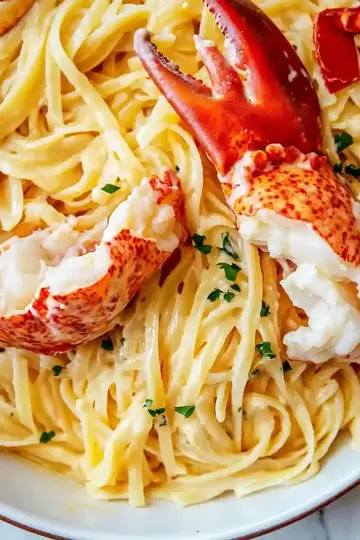
A deliciously savory linguine dish featuring lobster and shrimp, cooked in a rich white wine sauce.
Equipment
- Large saucepan
- Pan
- large bowl or plate
Ingredients
- 10 white tiger shrimp peeled and deveined
- 2 lobster tails de-shelled and cut into 1-inch cubes
- linguine enough for 2 servings
- 3 or 4 cloves garlic minced
- truffle salt or sea salt
- black pepper
- ¼ cup (60g) butter
- 1-2 tablespoons (15-30ml) butter or olive oil
- ½ cup (120ml) white wine
- 2-3 tablespoons fresh chopped parsley
Instructions
- Start by cooking the linguine in a pot of boiling salted water. It should look al dente and feel firm yet tender when you taste it. This step is crucial for that perfect pasta texture. Just be careful not to overdo it; mushy pasta can ruin the dish.
- Melt some butter (or olive oil if you prefer) in a skillet over medium heat. Add minced garlic and let it sizzle for a couple of minutes until it becomes fragrant and golden. This brings out that lovely garlic flavor, but keep an eye on it—burnt garlic can turn bitter real quick.
- Toss in the shrimp and lobster cubes, letting them cook until the shrimp turns pink and the lobster is opaque. You want them to be perfectly cooked, so keep an eye on the colors changing. Don't leave them too long; overcooked seafood can be rubbery and tough.
- Carefully pour the white wine into the skillet, letting it bubble up as it hits the heat. It should smell amazing as it reduces and mingles with the seafood. This step adds depth of flavor to your sauce, but be sure to let it simmer long enough for that raw alcohol taste to cook off.
- Sprinkle in some truffle salt and black pepper to taste. Stir in the chopped parsley for a pop of color and flavor just before serving. Make sure everything’s well-seasoned, but be cautious with the salt; you can always add more but can’t take it away.
- Combine the cooked linguine with the seafood and sauce in the skillet, giving it a gentle toss to ensure everything's mixed nicely. The heat should revive the pasta, making it look glossy and inviting. Serve it hot, but watch out; it’s easy to get carried away with those portions!
Notes
Store leftovers in an airtight container in the fridge for up to 2 days.